
Flawless Isn’t Perfect: Notes from the Cockpit on Leadership, Time, and Debriefing

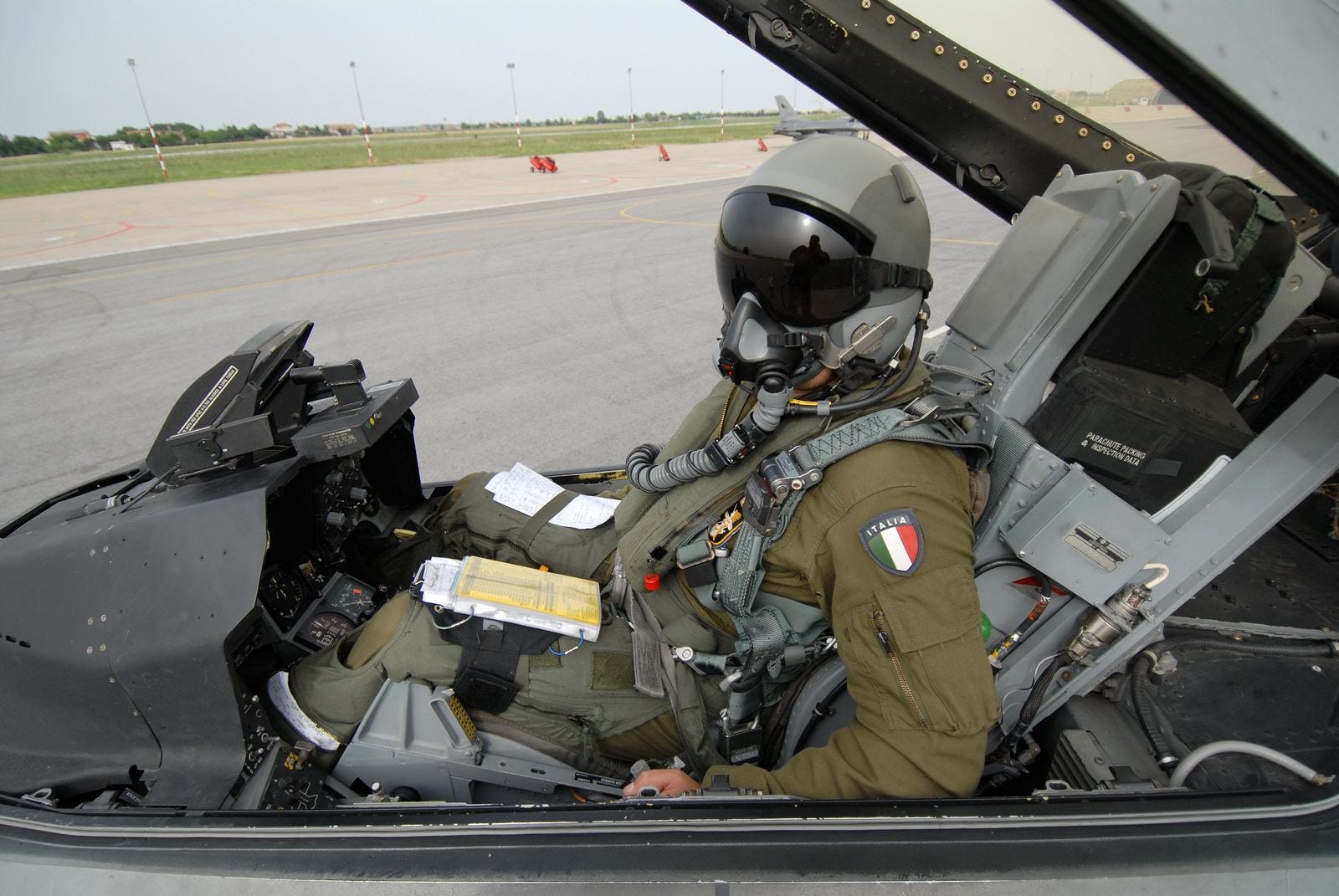
When Boo and I talk, we tend to start with engines and end with people. Afterburner, reheat—different words for the same thing: a burst of power when you need it. That’s how Boo thinks about “flawless” too. Not perfection. A deliberate push toward better.
In a squadron, “flawless” means we land the jet and bring our wingman home. That pursuit forces habits most companies talk about, but rarely practice: coachability, time discipline, structure, and a culture of debrief. Boo put it bluntly—if you don’t believe there’s a better version of you (and your business) tomorrow, you won’t do the work today. And outside the military, no one is obligated to point out your blind spots. You have to invite it.
Time is the first tell. Fighter pilots live in seconds and minutes; most businesses live in quarters and months. Those clocks shape behavior. Show up five minutes early and you earn trust without saying a word. Compress your time lens and you respect the people around you. My non-negotiables start there:
Be on time.
Be prepared.
Structure & checklists.
Assertive communication.
Control the controllables.
SOPs are often dismissed as red tape. In the cockpit, they’re shared language under pressure - what we mean when we say “written in blood.” Every line is a lesson someone paid for so we don’t pay again. In a company, your “checklists” might be meeting norms, handoffs, and a clean debrief template. Same effect: fewer surprises, cleaner passes, faster learning.
Coachability is the lever that moves all of this. Inside a squadron, coaching is baked in: instructors, execs, weapons officers, wingmen. Outside, I’ve had to recreate that environment - hiring a coach, enrolling in programs, and maintaining a real debrief habit. Growth comes from what you don’t see. The missile that hits you is the one you never picked up.
We also talked about contingency with intention. We don’t chase a hundred thousand what-ifs. We carry a couple of realistic backups and, more importantly, the calm that comes from rehearsing failure. That’s the shift from reacting to responding. It’s the same reason I tell my endurance athletes to practice the “boring” stuff - change a flat tire in training so race day feels like a checklist, not a crisis.
And then there’s the part we didn’t learn early enough: vulnerability. Mission focus and logic carry you far in aviation; they don’t always work with teams who didn’t grow up in that crucible. Psychological safety isn’t a poster. You build it by starting small, debriefing inconsequential topics first, showing people how ORCA works (Objective, Result, Cause, Action), and proving that facts beat blame. Reps build tolerance. Tolerance builds truth. Truth builds speed.
If you want a place to start this week, start small and consistent:
Five minutes early, every time.
One shared checklist for your most repeated process.
A 10-minute ORCA at the end of your next meeting.
One micro-contingency for a critical plan (if X, then Y).
Flawless, the way we mean it, is a journey without a finish line—quiet standards, honest mirrors, and a team that learns faster than the problems arrive.
Want more?
You can watch the full conversation with Boo - available on YouTube, Substack, or wherever you listen to podcasts. We go deeper into the mindset shift required to lead, the coaching tools that create real growth, and why letting go is often the most courageous move a leader can make.